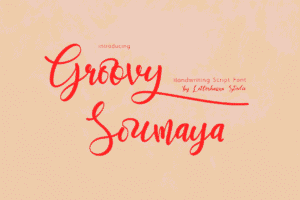
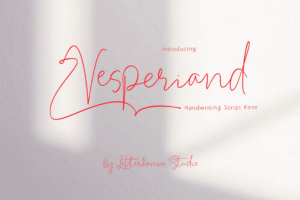
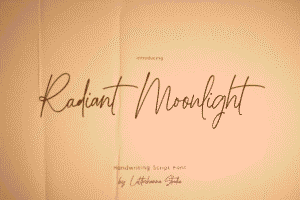
Picture a classroom where students lean forward instead of slouching back. A worksheet that doesn’t just inform — it invites, delights, and lingers in young minds long after the bell rings. What if the secret to that transformation is as simple as choosing the right font?
Many educators have watched the same magic happen. A plain math drill suddenly feels like an adventure when numbers dance in playful strokes. A history timeline comes alive when dates appear in warm, handwritten letters that feel like a friendly note from the past. Fun fonts turn passive reading into active discovery.
In today’s fast-moving educational landscape, attention is the most precious resource. Research consistently shows that visually appealing materials increase student engagement and help information stick. Handwriting-style fonts, in particular, support letter recognition, encourage creativity, and make learning feel personal rather than mechanical.
Letterhanna Studio fonts excel here. Designed in Yogyakarta with natural pen flow in mind, these typefaces bring authentic handwritten charm to any project while remaining highly readable and packed with creative features.
Why Fun Fonts Make Learning Materials More Effective
Fun fonts do more than decorate. They create emotional connection. A whimsical script can make phonics practice feel like storytelling. A bold handwritten headline can turn a simple vocabulary list into an exciting challenge.
For younger learners, playful letterforms strengthen fine motor skills and visual memory. Older students respond to sophisticated yet approachable scripts that feel modern and relatable. The key is choosing fonts that balance personality with clarity — never sacrificing legibility for style.
Try out and download our best font for free 👀
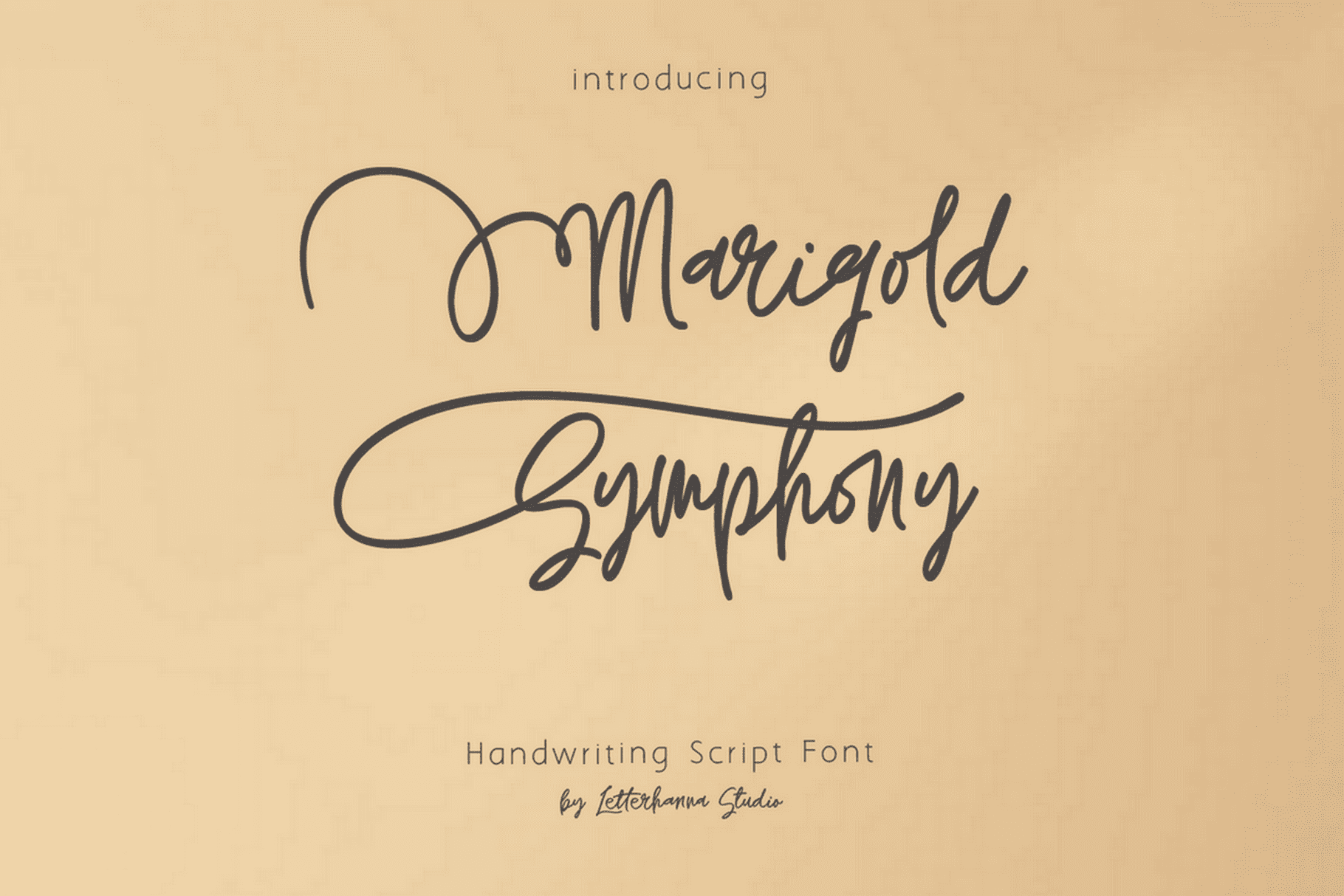
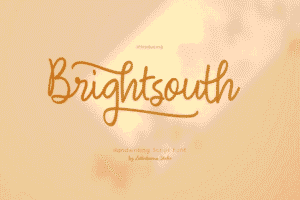


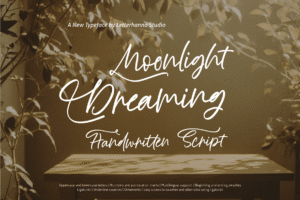
Essential Tools to Get Started
Begin with accessible platforms: Canva for quick designs, Google Slides or PowerPoint for interactive presentations, and Adobe Express or Illustrator for professional results. All support OpenType features, letting you unlock the full potential of advanced fonts.
Source premium handwriting fonts from letterhanna.com. Their collection includes playful, natural, and bold scripts specifically crafted for creative educational use.
Step-by-Step Guide to Creating Engaging Materials
Step 1: Define Your Audience and Objective Consider age, subject, and goal. For kindergarten phonics, opt for soft, rounded letters that feel approachable. For middle-school science, choose bolder scripts that add energy without overwhelming technical terms.
Step 2: Select the Perfect Handwriting Fonts from Letterhanna Studio Explore these standout options:
- Banana Moonpie — a fresh and whimsical addition to the world of fonts. This unique sans serif handwritten font combines the casual charm of handwritten script with the clarity of a sans serif typeface, resulting in a delightful and versatile font that’s as fun as its name suggests.
- Lighthouse Treasure — an enchanting handwritten sans-serif font designed with a playful and informal touch, making it an ideal choice for projects with a kids’ theme
- Seashell Paradise — a delightful new handwritten font. This font captures the essence of tranquility and elegance with its flowing lines and graceful curves.
- Aesthebloom — Elegant artistic script with smooth curves, graceful strokes, rich ligatures, and customizable swashes. Great for sophisticated yet fun materials such as literature guides, art projects, or high-school handouts.
Mix one playful display font for headlines with a cleaner script for body text. Activate ligatures and alternates in your software to let the fonts shine.
Step 3: Build a Balanced Layout Use generous white space so letters can “breathe.” Place bold headlines at the top, supporting text below, and tuck decorative swashes where they guide the eye without distracting. Keep font sizes large enough for young readers — 18–24 pt for body text in early grades.
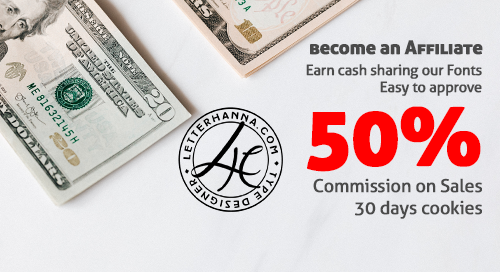
Side Note : Promote & earn with Letterhanna’s affiliate program.
Step 4: Add Storytelling Elements Turn materials into mini-stories. Use a fun font to frame a “Once upon a time…” prompt in a writing exercise. Let swashes from Boundless Wing or Slumbering Hedgehog create playful borders around vocabulary words. Include subtle ornaments as rewards or visual breaks.
Step 5: Incorporate Color and Visuals Pair fonts with soft pastel palettes or vibrant accents that match the mood. Add simple illustrations or icons that complement the handwritten feel. Test contrast for accessibility — dark text on light backgrounds works best.
Step 6: Test, Gather Feedback, and Refine Print samples or share digital versions with actual students and fellow teachers. Observe what captures attention and what causes confusion. Adjust swash usage or alternate glyphs until the materials feel just right.
Pro Tips for Maximum Impact
- Limit to two or three fonts per project to maintain focus.
- Use stylistic alternates and ligatures sparingly at first, then layer them in for personality.
- For dyslexic learners, pair handwriting fonts with high-contrast sans-serif options when needed.
- Create reusable templates in Canva so colleagues can easily apply the same engaging style.
- Consider multilingual support — Letterhanna fonts include extensive language coverage for diverse classrooms.
- Explore the 75 Handwritten Fonts Bundle for variety across multiple subjects and age groups.
Common Mistakes to Avoid
Avoid overloading pages with too many swashes — they lose charm when overused. Never sacrifice readability for style; if students struggle to decode letters, engagement drops instantly. Always preview fonts at actual print or screen size before finalizing.
The Lasting Difference Fun Fonts Create
When learning materials look inviting, students approach them with curiosity rather than obligation. Lessons transform from chores into experiences worth remembering. Teachers save time on behavior management and gain more moments for genuine connection.
Start small. Redesign one worksheet or slide deck this week using a Letterhanna handwriting font. Watch how a single playful script can shift the entire energy of a classroom.
The tools are ready. The fonts are waiting at letterhanna.com. The only question left is: which lesson will you bring to life first?
Here Are Some Fonts You Might Love! 👀