Let’s put it this way: if a logo is the face, then the identity system is the wardrobe, the voice, the mannerisms, and that one pair of shoes that screams “I’ve got style and substance.”
A strong brand identity system is what makes people recognize your brand even when the logo isn’t visible. Think Coca-Cola’s red. Think McDonald’s golden arches shape—even without the “M”. Think Spotify’s green and wave graphic.
🎨 What Is a Brand Identity System?
It’s the complete visual toolkit a brand uses to present itself. This system ensures consistency across all platforms—from social media posts and packaging to billboards and mobile apps.
A well-designed identity system:
-
Tells a cohesive visual story
-
Reinforces brand recognition
-
Enhances perceived professionalism
-
Speeds up design decisions (hello, templates!)
🧩 Key Components of a Visual Identity System
1. Color Palette
Defines the primary and secondary colors that represent the brand. Includes:
-
HEX / RGB / CMYK values
-
Usage rules (e.g., background vs. accent colors)
-
Accessibility considerations (contrast ratios!)
👉 Pro tip: Have 1–2 primary colors, and 2–4 secondary ones. You’re branding a business, not painting a unicorn.



2. Typography
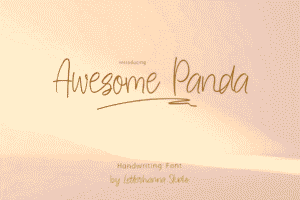
Typography choices convey brand tone and personality.
-
Primary font: For headers and main text
-
Secondary font: For supporting text or body copy
-
Specialty fonts: Occasionally used for emphasis
A tech startup might use a clean sans-serif (like Inter or Poppins), while a high-end brand might lean into elegant serifs (like Playfair or Canela).
3. Logo Variations
Your adaptive logo set should be part of the system, with clear usage guidelines:
-
Which version goes where?
-
Minimum size?
-
What backgrounds are allowed?
-
What NOT to do (e.g., no rotating it like a DJ booth turntable 🎧)
4. Iconography and Illustrations
Consistent visual style for icons and illustrations enhances cohesion:
-
Flat vs. 3D
-
Line weight uniformity
-
Color treatment
Whether you’re designing app icons or explainer illustrations, your visuals should feel like they belong to the same family—even if they’re second cousins.
5. Photography Style
Not always considered, but hugely impactful:
Side Note : Promote & earn with Letterhanna’s affiliate program.
-
High contrast or soft light?
-
Colorful or monochromatic?
-
Human-centric or abstract textures?
Define the tone and mood of imagery—because a moody black-and-white stock photo next to a playful logo will confuse people faster than a plot twist in a Christopher Nolan film.
6. Grids, Layouts, and Templates
Structure matters. Define how content is arranged in:
-
Social media posts
-
Web banners
-
Email newsletters
-
Printed collateral
Using a grid system creates visual rhythm. Even chaos has rules (just ask any jazz musician).
🧠 Unique Fact of the Day:
NASA’s 1975 “worm” logo was part of a broader visual identity system created by Danne & Blackburn. It wasn’t just a logo—it included a full spec book with rules for vehicle paint jobs, patches, and signage. The entire look was so sleek, people thought NASA had rebranded the future.
Fun twist? NASA brought the worm logo back in 2020—because good identity design doesn’t age.
🛠️ How to Start Building a Brand System
-
Audit what you already have.
Look at the logo and ask, “What colors, fonts, and visual styles naturally support this?” -
Choose 1–2 core elements.
Build the rest of the system around them. -
Create a style guide.
Even a simple PDF or Figma board will do. Define:-
Color codes
-
Fonts
-
Logo usage rules
-
Sample layouts
-
-
Test across media.
See how it holds up on mobile, print, dark mode, and even merch like mugs or tote bags.
🎯 Design Mission: Build a Mini Style Guide
Pick any brand (real or fictional) and build a 1-page style guide including:
-
Logo (or placeholder)
-
Color palette
-
Fonts
-
Sample layout or mockup
This practice builds your system-thinking muscles—and clients love designers who think beyond the mark.
Here Are Some Fonts You Might Love! 👀