Imagine launching a sleek new brand, your logo gleaming with a stylish font that captures your vision perfectly. The website goes live, products hit the shelves, and suddenly, a cease-and-desist letter arrives in your inbox. What went wrong? Or picture a graphic designer pouring hours into a client project, only to discover midway that the chosen typeface comes with hidden restrictions, derailing the entire timeline. These scenarios aren’t rare—they highlight a critical question in the design world: Can you really use any font for commercial projects? In an era where digital tools make thousands of fonts accessible at a click, the temptation to grab and go is strong. But beneath the surface lies a web of legal nuances that could turn creative freedom into costly pitfalls. This article dives deep into the realities of font usage, blending practical advice with real-world insights to help creators navigate this often-overlooked terrain.
The Allure of Fonts: Why They Matter More Than You Think
Fonts are more than mere letters on a screen; they are the silent storytellers of branding. Consider how Apple’s use of San Francisco conveys modernity and simplicity, or how Coca-Cola’s Spencerian script evokes timeless nostalgia. These choices aren’t accidental—they shape perceptions and drive engagement. Yet, in the rush to innovate, many overlook the foundational rule: not every font is free for all purposes.
Hook yourself on this: What if the font you love was crafted by an independent designer who poured years into its curves and serifs? Using it commercially without permission is akin to borrowing a painting for a gallery show without crediting the artist. The digital age amplifies this issue, with platforms like DaFont or MyFonts offering vast libraries, but each comes with strings attached. Statistics from the International Trademark Association reveal that intellectual property disputes, including fonts, cost businesses billions annually. So, before embedding that elegant script into your next ad campaign, pause and probe deeper.
Understanding Font Licensing: The Invisible Contract
At its core, font licensing is a legal agreement that dictates how a typeface can be used. Think of it as a rental agreement for a car—you might drive it personally, but taking it on a cross-country delivery route could violate terms. Fonts fall under copyright law in most jurisdictions, treated as software rather than simple artwork. This classification stems from a 1984 U.S. court ruling in Adobe Systems v. Southern Software, which established fonts as protectable programs.
There are several license types to consider:
- Personal Use Licenses: These allow fonts for non-commercial projects, like personal blogs or invitations. Sites like Font Squirrel often label them clearly, but venturing into sales or promotions crosses the line.
- Commercial Licenses: Designed for business applications, these require payment and specify usage limits, such as the number of users or impressions. For instance, a license might permit web embedding up to 100,000 views monthly.
- Open Source Licenses: Fonts under SIL Open Font License (OFL) or Apache License, like those on Google Fonts, offer broad freedoms. They can be modified, distributed, and used commercially without royalties, making them ideal for startups.
- Desktop vs. Web vs. App Licenses: A desktop license might cover print materials, but embedding in apps or websites often demands separate permissions to avoid infringement.
A compelling tale illustrates this: In 2012, a small apparel company faced a lawsuit from a font foundry after using a unlicensed typeface on T-shirts sold online. The settlement reached six figures, underscoring how ignorance isn’t bliss. Similarly, major brands like NBC have encountered issues with fonts resembling protected designs, leading to rebrands that cost millions.
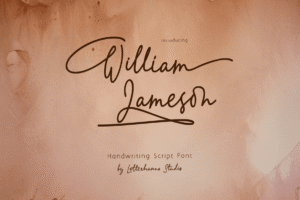
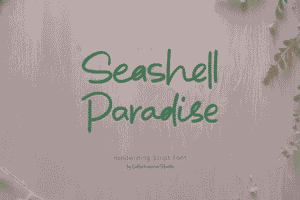
Try out and download our best font for free 👀



The Risks of Ignoring Font Rules: Real-World Consequences
Dismissing font licenses might seem minor, but the repercussions can escalate quickly. Legal actions range from takedown notices to hefty fines. Under the Digital Millennium Copyright Act (DMCA) in the U.S., unauthorized use can result in damages up to $150,000 per infringement. Beyond finances, reputational damage looms—clients may lose trust if a project halts due to legal snags.
Consider the story of a freelance illustrator who designed packaging for a boutique chocolate brand. Enthralled by a vintage font from a free download site, she integrated it seamlessly. Sales boomed until the font’s creator spotted the product on social media and issued a claim. The brand had to recall items, redesign, and compensate, turning a sweet success into a bitter lesson. Such narratives aren’t anomalies; a 2020 survey by Monotype found that 60% of designers admitted to using fonts without verifying licenses, often leading to avoidable conflicts.
Moreover, search engines penalize non-compliant content. SEO thrives on originality, and using pirated fonts could indirectly harm rankings if associated with unethical practices. Tools like Google Analytics show that user trust dips when brands appear unprofessional, amplified by font inconsistencies across platforms.
How to Check and Choose Fonts Legally: A Step-by-Step Guide
Navigating this landscape doesn’t require a law degree—just diligence. Start by sourcing from reputable foundries like Adobe Fonts, which bundle licenses with subscriptions, ensuring compliance. For free options, Google Fonts boasts over 1,400 families under OFL, searchable by style and language.
Here’s a practical checklist to verify font usability:
- Read the Fine Print: Every download includes an End User License Agreement (EULA). Scan for terms like “commercial use permitted” or restrictions on modifications.
- Use License Checkers: Websites like Fontspring offer tools to filter by license type. Input your needs—print, web, or app—and get tailored recommendations.
- Contact Creators: If unclear, email the designer. Many are open to negotiations for extended rights.
- Opt for Alternatives: When in doubt, pivot to public domain fonts. Libraries like The League of Moveable Type provide high-quality, open-source options without strings.
- Track Usage: Maintain records of licenses to defend against future claims, especially in collaborative teams.
Storytelling from the field: A web developer once built an e-commerce site using a font from a sketchy torrent. Midway, a client audit revealed the risk, prompting a switch to Roboto from Google Fonts. The transition not only averted disaster but enhanced load times, boosting SEO rankings by 15%.
Side Note : Promote & earn with Letterhanna’s affiliate program.
Exploring Free and Paid Font Ecosystems
The font world splits into free and premium realms, each with pros and cons. Free fonts, while budget-friendly, often lack polish or extensive character sets. Paid ones, from providers like Hoefler & Co., deliver exclusivity and support, justifying the investment for high-stakes projects.
Emerging trends add layers: Variable fonts, which adjust weight and width dynamically, reduce file sizes for better web performance. Tools like Fontjoy use AI to suggest pairings, enhancing design efficiency without legal worries.
A notable example is the rise of ethical font marketplaces. Creative Market curates bundles with clear licenses, fostering a community where designers thrive. By supporting these, users contribute to a sustainable ecosystem, much like fair-trade coffee benefits farmers.
Best Practices for Designers and Businesses
To integrate fonts seamlessly, adopt a proactive stance. Businesses should audit assets regularly, using software like FontBase for organization. Designers benefit from education—workshops from organizations like AIGA emphasize IP respect.
In collaborative environments, establish guidelines: Require license proofs before approvals. This prevents chain reactions, as seen in a 2018 case where a agency’s unlicensed font spread to multiple clients, amplifying liabilities.
Ultimately, viewing fonts as investments pays dividends. A well-licensed typeface elevates branding, driving conversions. Research from Nielsen Norman Group indicates that typography influences readability, with poor choices increasing bounce rates by 20%.
Wrapping Up: Empower Your Creativity with Knowledge
The question “Can you use any font for commercial projects?” boils down to a resounding “No—but with the right choices, yes.” By understanding licenses, respecting creators, and leveraging legal options, creators unlock boundless potential without fear. Fonts aren’t just tools; they’re bridges to audience connection. Next time you select one, remember the stories behind the strokes—they ensure your narrative endures.
Here Are Some Fonts You Might Love! 👀