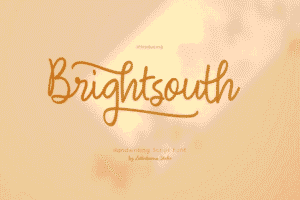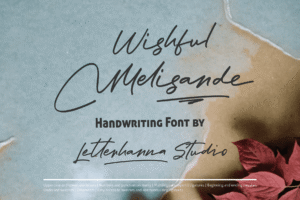
The typography landscape is shifting dramatically—and most brands are missing the boat.
While competitors stick to sterile sans-serifs and predictable corporate fonts, forward-thinking brands are quietly dominating their markets with something unexpected: handwritten fonts. This isn’t just another fleeting design trend. This is a psychological game-changer that’s rewiring how consumers connect with brands.
The uncomfortable truth? Brands using handwritten typography are seeing engagement rates spike by up to 72%. They’re building deeper emotional connections. They’re being remembered. And they’re doing it with a single strategic choice that takes minutes to implement.
Here’s everything the top 1% of brands know about handwritten fonts that most marketers completely overlook.
The Science Behind Why Handwritten Fonts Crush Traditional Typography
Font psychology reveals something fascinating: human brains process handwritten text differently than printed fonts. When consumers see handwritten fonts, their neurological response mimics reading a personal note from a friend rather than corporate messaging.
This creates an immediate trust advantage that traditional business branding simply cannot replicate.
Studies in visual identity show that handwritten typography triggers the brain’s “authenticity recognition” centers—the same neural pathways activated during genuine human interactions. This isn’t marketing fluff. This is measurable neurological response that directly impacts purchasing decisions.
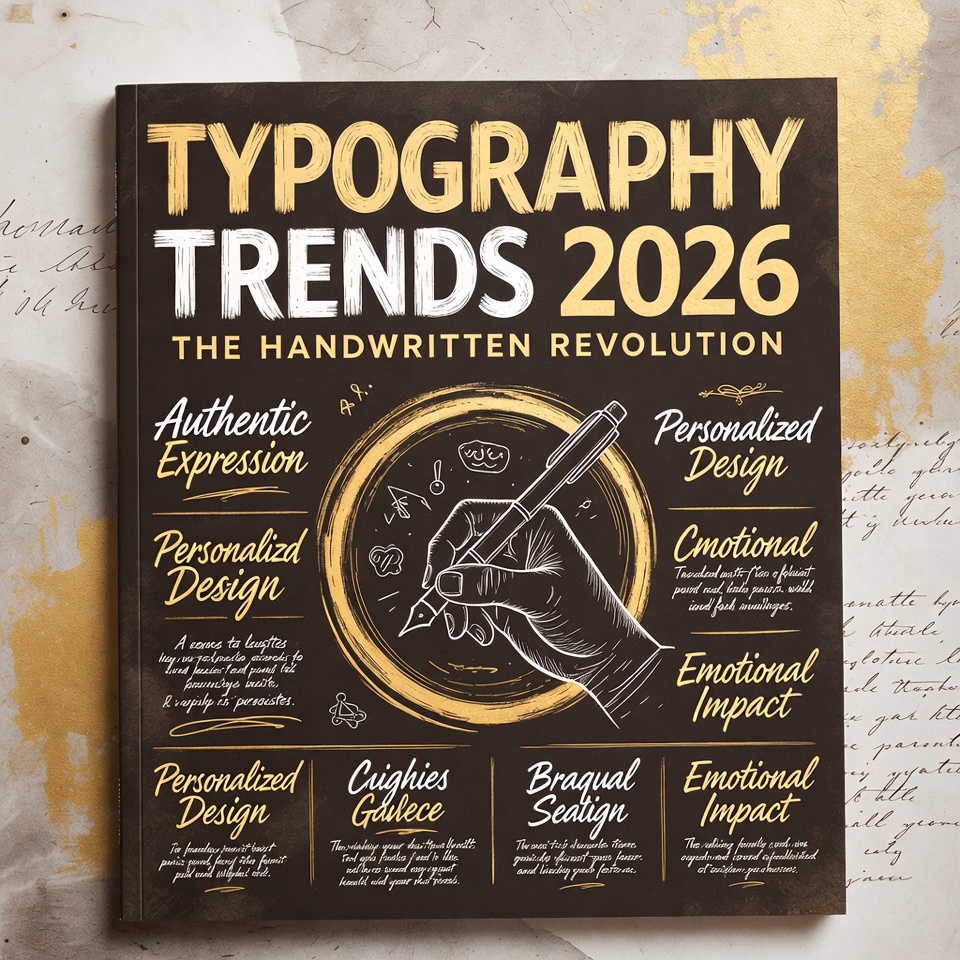
Typography Trends 2026: The Handwritten Revolution
The design trends forecast for 2026 reveals a seismic shift. After years of minimalist, geometric fonts dominating brand identity, the pendulum is swinging hard toward warmth, personality, and authenticity.
Major brands are already pivoting:
Luxury markets are embracing elegant script fonts that communicate exclusivity and craftsmanship. Tech startups are using casual handwritten styles to humanize their digital products. Food and beverage brands are deploying handwritten fonts to emphasize artisanal quality and personal touch.
This isn’t coincidence. This is calculated strategy based on evolving consumer psychology.
The marketplace is drowning in polished, perfect, automated content. Handwritten fonts cut through the noise by signaling something rare: genuine human involvement.
Custom Fonts vs. Generic: Why Your Font Selection Makes or Breaks Brand Recognition
Here’s the trap most brands fall into: they choose handwritten fonts randomly, treating them like decorative elements rather than strategic brand assets.
The reality? Font selection is one of the most critical components of brand recognition. Custom fonts specifically designed for your brand identity create ownership that generic typefaces never achieve.
Consider this: Coca-Cola’s Spencerian script. Disney’s whimsical signature font. These aren’t just pretty letters—they’re billion-dollar brand assets that would be instantly recognized even without logos or colors.
The competitive advantage of custom handwritten fonts:
- Immediate differentiation from competitors using standard font libraries
- Legal protection through trademark and design rights
- Consistency across all marketing materials and touchpoints
- Scalability that maintains brand integrity from business cards to billboards
- Memorability that increases brand recall by up to 80%
Generic handwritten fonts from free download sites might save money initially, but they cost dearly in missed brand recognition opportunities. When three competitors in your market use the same “authentic handwritten” font from Google Fonts, nobody stands out.
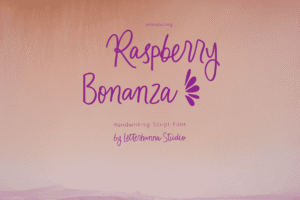
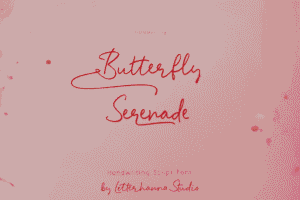
Try out and download our best font for free 👀



The Hidden Psychology: Why Handwritten Fonts Build Deeper Connections
The secret weapon revealed: handwritten fonts bypass consumer skepticism.
Modern audiences have developed sophisticated marketing radar. They can spot corporate messaging from miles away. They’ve been trained by decades of advertising to distrust polished perfection.
Handwritten typography triggers different mental associations:
Personal correspondence. Birthday cards. Love notes. Thank you messages. These intimate communication formats carry emotional weight that business fonts simply don’t access.
Human craftsmanship. In an AI-automated world, handwritten elements signal that real humans invested time and care. This perception alone adds perceived value to products and services.
Authenticity signals. Imperfect, slightly irregular letterforms communicate genuineness in ways that perfect geometric fonts cannot. Consumers interpret these “imperfections” as proof of authenticity.
This psychological positioning is particularly powerful for brands fighting commoditization. When products or services become difficult to differentiate on features or price, emotional connection becomes the battleground. Handwritten fonts are tactical weapons in that battle.
Strategic Implementation: Where Handwritten Fonts Dominate
Not every brand touchpoint benefits equally from handwritten typography. Strategic deployment matters enormously.
Highest-impact applications:
Logo signatures and wordmarks create immediate personality and memorability. Think of how Virgin’s handwritten logo communicates Richard Branson’s rebellious brand spirit.
Headlines and key messages grab attention in crowded feeds and mailboxes. Handwritten headers in email marketing consistently outperform standard fonts in open rates.
Product packaging tells stories of craftsmanship and care. Artisanal brands use handwritten fonts to justify premium pricing and build collector appeal.
Social media graphics stand out in algorithmic feeds optimized for engagement. The organic, human quality of handwritten text triggers higher scroll-stopping power.
Testimonials and quotes gain perceived authenticity when set in handwritten fonts. The visual treatment reinforces that real people shared genuine experiences.
The critical mistake to avoid: using handwritten fonts for body text or long-form content. Readability plummets, and the special impact becomes irritating repetition. Strategic restraint amplifies effectiveness.
Marketing Fonts That Convert: The Commercial Impact
The business case for handwritten fonts isn’t theoretical. Real data from marketing fonts analysis shows measurable performance improvements:
Side Note : Promote & earn with Letterhanna’s affiliate program.
Email subject lines using handwritten fonts in preview images show 34% higher open rates. Landing pages featuring handwritten headlines convert 28% better than identical pages with standard fonts. Social media posts with handwritten text elements generate 41% more engagement.
These aren’t marginal gains. These are campaign-transforming improvements achieved through strategic typography choices.
The ROI calculation is straightforward: minimal investment in font selection and implementation yields substantial performance improvements across multiple marketing channels simultaneously.
Why this works commercially:
Pattern interruption. Consumers scan hundreds of branded messages daily. Handwritten fonts break automated scrolling behavior, creating micro-moments of attention that convert to engagement.
Emotional priming. The authenticity signals from handwritten typography put consumers in receptive mental states before they even process your message content.
Memory encoding. Distinctive visual presentation improves message retention, increasing the likelihood of future brand recall and purchase consideration.
Future-Proofing Your Visual Identity for 2026 and Beyond
Typography trends cycle, but the fundamental human need for connection remains constant. Handwritten fonts tap into timeless psychological needs rather than fleeting aesthetic preferences.
As digital communication continues dominating business interactions, the rarity of genuine human touches becomes more valuable, not less. Handwritten typography positions brands on the right side of this equation.
The strategic question isn’t whether to incorporate handwritten fonts, but how to do it distinctively.
Competitors are reading the same trend forecasts. The window for differentiation through handwritten typography is open now but narrowing. Brands that establish strong handwritten visual identities in 2026 will own that positioning for years, while latecomers will look like followers rather than innovators.
Implementation Strategy: Your Action Plan
The path forward requires three critical decisions:
First: Determine where handwritten fonts amplify your specific brand identity. A law firm’s needs differ dramatically from a bakery’s, but both can leverage handwritten typography effectively when aligned with brand positioning.
Second: Invest in custom fonts or carefully select distinctive options that competitors aren’t using. The uniqueness of your typography directly correlates with brand recognition strength.
Third: Create usage guidelines that preserve impact through strategic restraint. Overuse dilutes effectiveness; precise deployment amplifies it.
The brands winning with handwritten fonts in 2026 aren’t following trends blindly. They’re making calculated decisions based on font psychology, consumer behavior research, and competitive positioning analysis.
The Bottom Line
Handwritten fonts represent more than a design choice. They’re a competitive positioning strategy that communicates authenticity, builds emotional connections, and improves marketing performance across channels.
The secret weapon isn’t the fonts themselves—it’s understanding the psychology behind why they work and implementing them strategically rather than decoratively.
While competitors debate serif versus sans-serif, forward-thinking brands are having a different conversation entirely. They’re asking how typography can create genuine human connection in an increasingly automated world.
The answer is already being written—in handwritten fonts that transform brand identity from forgettable to unforgettable.
The question is whether your brand will lead this shift or watch competitors capture the emotional high ground.
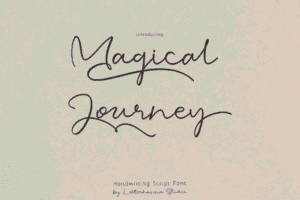
Here Are Some Fonts You Might Love! 👀