
Picture this: Two craft booths at the same market. Same products. Same materials. One vendor sells out by noon charging premium prices. The other struggles to make rent money. What’s the difference?
The answer isn’t what most people think.
It’s not about Instagram followers, fancy equipment, or years of experience. Sometimes, it’s something as simple—and as powerful—as the fonts they choose.
Sound too simple? Keep reading.
The Tale of Two Etsy Shops
Meet Sarah and Jessica. Both started their custom sign businesses the same month. Both had artistic talent, similar products, and the same Cricut machine.
Six months later, Sarah was charging $35 per sign and barely breaking even. Jessica? She was selling similar signs for $95 and had a two-week waitlist.
What changed everything for Jessica wasn’t a secret marketing strategy or a viral TikTok. She discovered that handwritten fonts for crafting could completely transform how customers perceived her work.
The fonts she was using—free downloads from random websites—were making her beautiful craftsmanship look… well, homemade. And not in the charming way.
When she invested in professional crafting fonts with proper licensing and quality design, something magical happened. Customers stopped questioning her prices. They started asking if they could order multiples. Her work finally looked as premium as the effort she put into it.
The Typography Truth Nobody Talks About
Here’s something interesting: The human brain processes visual information in milliseconds. Before someone reads a single word on a handmade sign, their brain has already decided if it looks “cheap” or “expensive.”
Typography plays a massive role in that split-second judgment.
Think about luxury brands. Tiffany & Co. didn’t become iconic with Comic Sans. High-end wedding invitations don’t use the default fonts that come with design software. There’s a reason boutiques and upscale shops obsess over their typography choices.
The same principle applies to craft products.
When crafters use handwriting fonts commercial use from professional designers, they’re tapping into the same psychological triggers that make people pay $200 for a candle at Anthropologie instead of $10 at Target.
What Makes Premium Handwritten Fonts Actually Premium?
Let’s get into the details, because this is where things get interesting.
The Anatomy of Professional Typography
Ligatures That Flow: Professional fonts include ligatures—special character combinations where letters connect naturally. When someone sees “th” or “st” flowing together beautifully, it doesn’t register consciously. But subconsciously? That smoothness reads as quality and care.
Multiple Character Variations: Ever notice how real handwriting never repeats the exact same letter? Premium handwritten fonts include multiple versions of each letter. Type “hello” and each ‘l’ can look slightly different. This creates authenticity that basic fonts can’t match.
Thoughtful Spacing: The space between letters (kerning) and words can make or break a design. Professional type designers spend hundreds of hours perfecting these details. The difference between amateur and professional work often comes down to spacing that just… works.
Extended Character Sets: Need an ampersand that matches the font style? Special symbols? Accented letters? Craft business fonts from professional foundries include comprehensive character sets that make design work smoother and more versatile.
The Categories Serious Crafters Rely On
Successful crafters typically build their font library around these categories:
Elegant Script Fonts: The workhorses for wedding crafts, sophisticated home décor, and anything requiring a touch of romance. These fonts walk the line between decorative and readable—a balance that cheap fonts rarely achieve.
Modern Bouncy Scripts: Perfect for party supplies, children’s products, and designs that need energy and playfulness. The key is maintaining readability while adding personality.
Try out and download our best font for free 👀

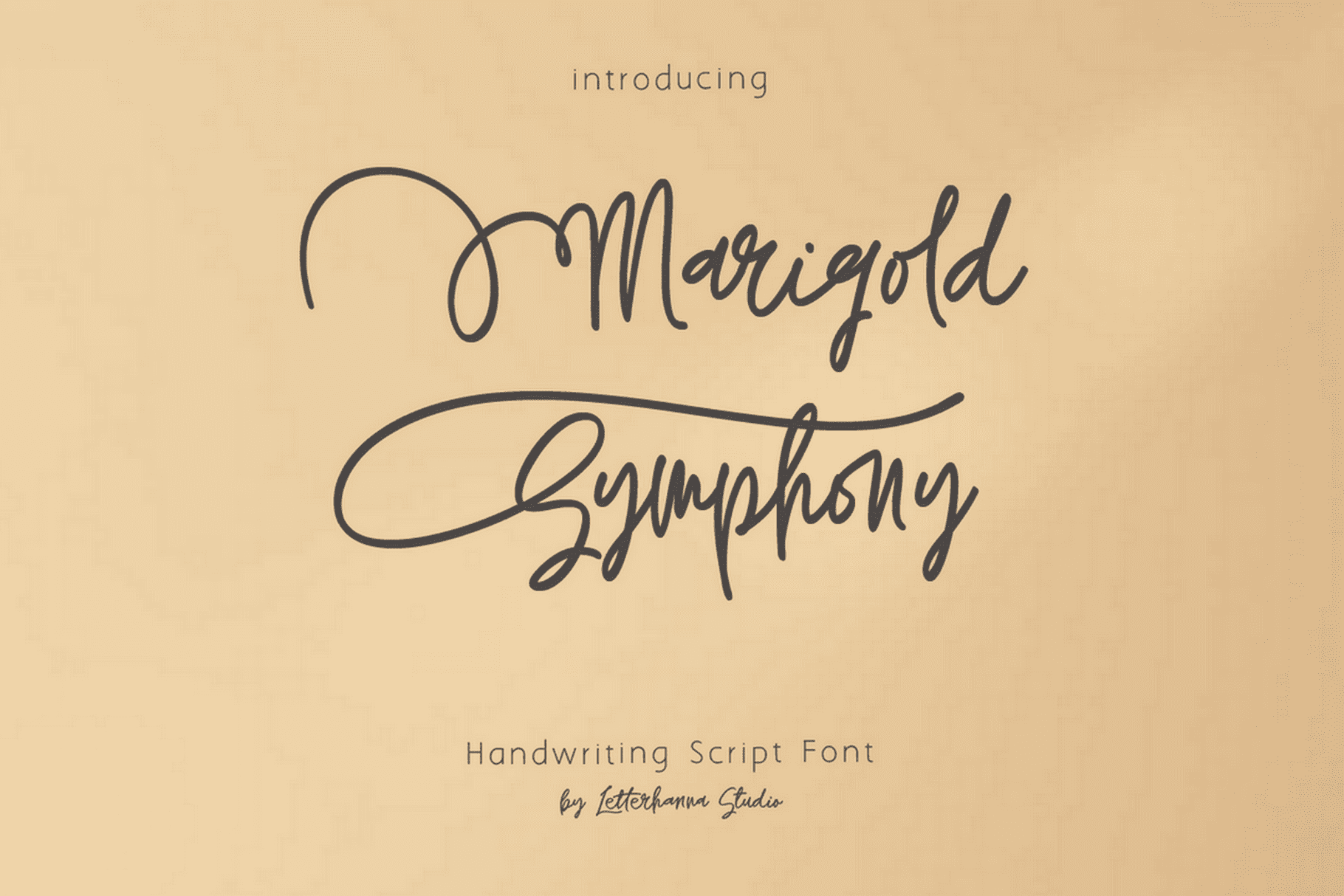


Rustic Hand-Lettered Styles: Farmhouse aesthetic remains popular for good reason. These handmade font styles look authentically brush-painted without the inconsistency of actual brush lettering.
Clean Handwritten Sans-Serifs: Sometimes less is more. These fonts provide that handcrafted feel with modern minimalism—essential for pairing with busier typography.
The Investment That Pays for Itself
Here’s the practical reality: Professional handwriting fonts typically cost between $15-50 per font family. For someone just starting out, that might seem steep.
But consider the math.
If upgrading typography allows a crafter to raise prices by just $20 per item, that font pays for itself in 2-3 sales. Everything after that is pure profit from what is essentially a one-time investment.
The fonts don’t wear out. They don’t need replacing. They work for unlimited projects (depending on the license). Compare that to supplies that get used up, equipment that needs upgrading, or advertising that disappears after the campaign ends.
Typography is one of the few truly scalable investments in a craft business.
The Licensing Conversation That Matters
This part isn’t exciting, but it’s crucial: Not all font licenses are created equal.
Some fonts are free for personal use but require purchasing a commercial license for business use. Some allow selling physical products but not digital designs. Some have limits on production quantities.
Using fonts without proper licensing isn’t just ethically questionable—it’s a business risk. Font designers protect their intellectual property, and violations can result in legal action.
The good news? Legitimate designer handwriting fonts come with clear licensing terms. Reputable font marketplaces and foundries spell out exactly what is and isn’t allowed. There’s no guesswork, no gray areas.
When crafters invest in premium handwritten fonts with proper commercial licensing, they’re buying peace of mind along with beautiful typography.
The Mistakes That Keep Crafters Looking Amateur
Even with access to beautiful fonts, certain mistakes can undermine the whole effort.
The Overload Problem: Just because a design program can handle 50 fonts doesn’t mean a single project should use them. Professional designers stick to 2-3 fonts maximum. More than that creates visual chaos, no matter how premium the fonts are.
The Readability Trap: That ultra-decorative script might look stunning at large sizes on screen. But on an actual product, viewed from normal distance? If customers squint to read it, the design fails. Artisan fonts need to balance beauty with function.
The Scale Issue: Some fonts are designed for headlines. Others work better for body text. Testing fonts at the actual size they’ll be used prevents disappointment when that delicate script becomes illegible on a small ornament.
The Random Collection: Building a font library strategically beats randomly buying fonts on sale. Start with versatile workhorses that cover different styles and moods. Add specialty fonts as specific projects demand them.
The License Oversight: Worth repeating: Always read licensing terms before purchasing. Five minutes of reading can prevent months of legal headaches.
The Psychology of Premium Pricing
Something fascinating happens when craft products look more professional: Customers stop negotiating on price.
There’s research backing this up. When products signal quality through design details—including typography—customers anchor their price expectations higher. They assume higher prices reflect superior craftsmanship (which, to be fair, they often do).
Boutique crafting fonts contribute to this perception in powerful ways. Clean spacing suggests attention to detail. Flowing ligatures imply careful work. Cohesive typography across a product line indicates a professional brand.
These visual cues don’t replace good craftsmanship—they amplify it. They help customers see and appreciate the quality that’s already there.
Side Note : Promote & earn with Letterhanna’s affiliate program.
Building a Signature Style Through Typography
Here’s where things get strategic.
Successful craft businesses often become recognizable through their typography choices. Customers start identifying products by the fonts before even seeing the shop name.
This doesn’t happen by accident. It requires choosing 2-3 signature fonts and using them consistently across product lines. Those fonts become part of the brand identity—as important as colors, packaging, or logo design.
The fonts don’t need to be obscure or exclusive. They just need to be used thoughtfully and consistently. Over time, that consistency builds brand recognition that translates directly to customer loyalty.
The Pairing Secrets That Elevate Designs
Single fonts can be beautiful. But paired fonts? That’s where design magic happens.
The Classic Combination: Elegant script for main text paired with simple sans-serif for secondary information. This pairing works for everything from wedding stationery to product labels because it creates clear hierarchy while maintaining sophistication.
The Modern Mix: Bouncy script with geometric sans-serif brings contemporary energy. Perfect for younger audiences and trend-forward products.
The Rustic Romance: Distressed hand-lettered font combined with classic serif creates instant farmhouse appeal. This pairing has staying power in home décor markets.
The Dramatic Stack: Delicate thin script layered with bold brush font creates visual interest and clear emphasis. Great for statement pieces.
The key to successful pairing? Contrast and balance. The fonts should complement each other without competing for attention.
Where Quality Fonts Actually Come From
Professional crafters source their handcrafted typography from established font foundries, reputable creative marketplaces, and specialized type designers.
Red flags to avoid include sites offering “thousands of fonts for $10” (licensing nightmares waiting to happen), downloads from random blogs or social media links, and anything with unclear or missing license information.
The craft community generally agrees: If a deal seems too good to be true, it probably is. Quality type design takes skill and time. Professional fonts are priced accordingly.
The Time-Saving Factor
Here’s an underrated benefit: Good fonts actually speed up the design process.
When typography is well-crafted, designs come together faster. The spacing works. The characters play nicely with each other. There’s less fiddling with kerning, adjusting placement, or wrestling with wonky character shapes.
This time savings might not seem significant per project. But multiply it across dozens or hundreds of designs? Those saved hours add up to real money—either in reduced design time or increased production capacity.
The Confidence Connection
There’s an intangible benefit to using professional-quality fonts: It changes how crafters view their own work.
When products look polished and professional, it’s easier to charge appropriate prices without second-guessing. The visual quality validates the pricing. The hesitation disappears.
This confidence shows up in product descriptions, customer interactions, and marketing materials. It’s the difference between apologetically offering a “handmade sign” and proudly presenting a “custom crafted statement piece.”
Same product. Different framing. Entirely different results.
Making the Switch
For crafters still using basic or free fonts, the transition to premium typography doesn’t need to be overwhelming.
Start with one or two versatile fonts that match current product styles. Use them for new projects while existing inventory sells through. Gradually build the font library as budget allows and projects demand.
The goal isn’t to overhaul everything overnight. It’s to steadily elevate the visual quality of products in ways that customers notice and appreciate.
The Bottom Line
Professional crafters aren’t obsessed with handwritten fonts because they’re font nerds (though some might be). They’re obsessed because they’ve seen firsthand how typography transforms their business.
Premium fonts help products command premium prices. They save time in the design process. They build brand recognition. They signal professionalism in a crowded market.
The “secret” isn’t really a secret at all. It’s just a willingness to invest in tools that match the quality of the craftsmanship. To recognize that the fonts on a product matter just as much as the materials it’s made from.
For crafters ready to stop undervaluing their work and start building a sustainable business, premium typography isn’t an expense—it’s a foundation.
The question isn’t whether professional fonts make a difference. The question is: How much longer will crafters wait before investing in them?
Here Are Some Fonts You Might Love! 👀


